
The Quiet Cost of Avoiding Your Finances
Financial wellness is rarely part of the health conversation, yet it quietly shapes your energy, your stress, and your sense of control. For many ambitious women, the gap isn’t effort or intelligence. It’s the fact that no one ever taught us how to feel steady with money. This is where that starts to change.

Why High-Functioning Women Normalize Feeling Slightly Terrible
Ambitious women are often incredibly good at pushing through fatigue, stress, and low-grade symptoms. Over time, “mostly fine” becomes the standard. This article explores the physiology behind why high-functioning women normalize feeling slightly terrible and what real vitality actually feels like.

The ‘Mostly Healthy’ Problem
We hire experts to improve almost every area of our lives. Trainers, advisors, therapists, coaches. Yet when it comes to the one system that powers all of it, our health, we assume we should figure it out ourselves. The result is a growing group of ambitious women who appear successful on the outside but whose bodies are quietly struggling to keep up.

Nervous System Regulation for High-Achieving Women
What do you do when you feel powerful energy rising inside you? For high-achieving women, the issue isn’t a lack of drive. It’s learning how to direct that energy without leaking it into overwork, overthinking, or self-sacrifice. This piece explores nervous system regulation, visualization, and the discipline of building internal stability so your body can hold the life you’re trying to create.

The Rooms We Grow In
Changing your habits isn’t just about willpower or discipline. It’s about where and with whom you’re trying to change. When every choice requires explaining, defending, or justifying, progress becomes exhausting. This piece explores why environment, belonging, and support matter more than motivation and how getting into the right rooms can make real change finally stick.

I’m a Researcher at Heart (And That’s Why I Coach the Way I Do)
After hearing Andrew Huberman describe himself as “a researcher, not a clinician,” I started thinking about what that means for my own work. This is a reflection on learning, self-responsibility, and why understanding your patterns matters more than motivation ever will.

Fear Is Afraid of You Too
Fear thrives when you’re visible but unvalidated, early, and still waiting for proof. It asks reasonable questions, masquerades as logic, and convinces you to stay comfortable. But clarity is dangerous to fear. Once you name what you stand for, it can no longer pretend it’s protecting you.
When Protein Became a Personality
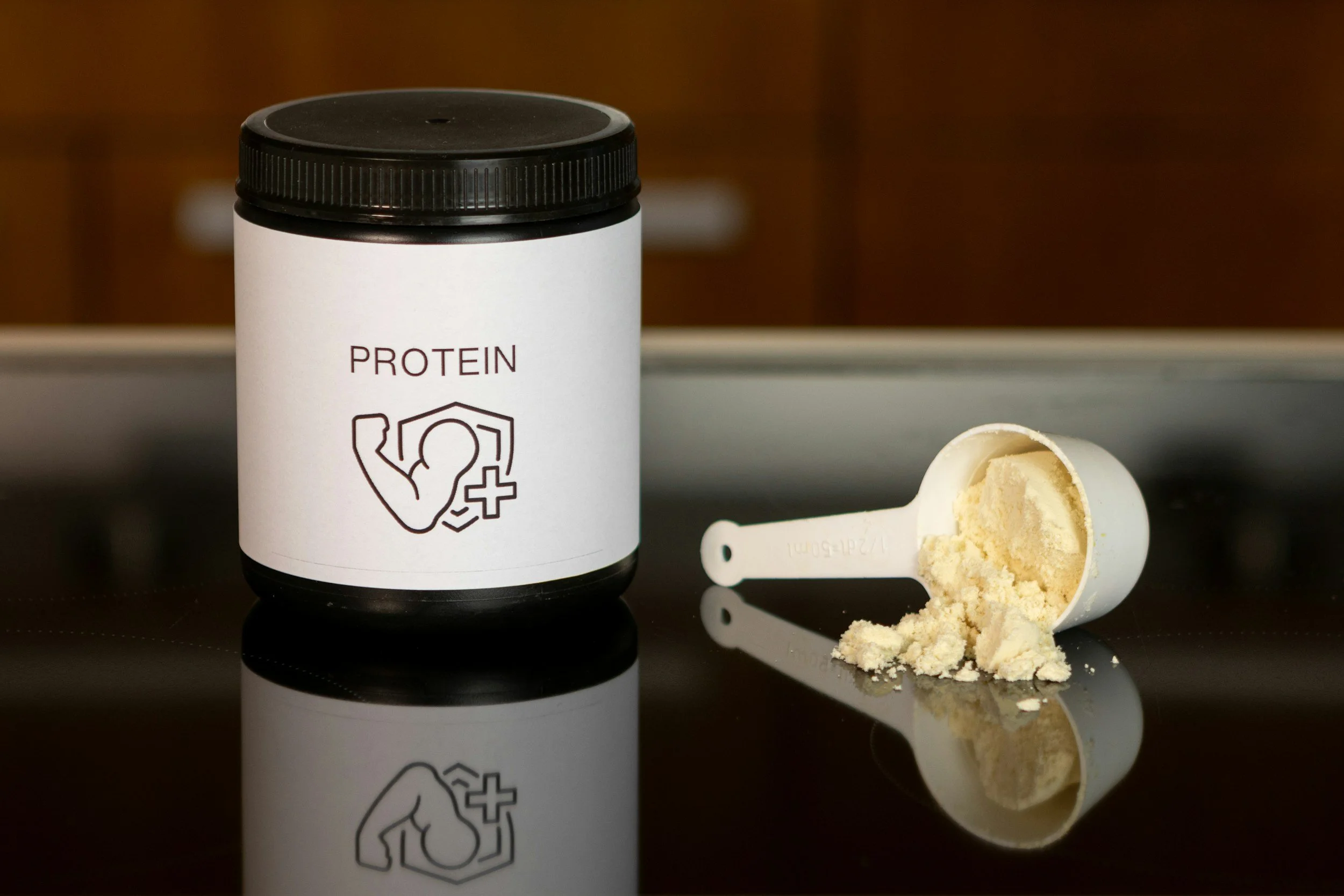
Protein is everywhere right now. From pancakes to popcorn to candy bars, “high protein” has become shorthand for being responsible and health-conscious. But adding a macro to ultra-processed food doesn’t magically make it nourishing. It just makes the marketing better.

Why I Don’t Talk About Food as Much as You Think I Should
Food matters. It shapes our energy, our digestion, our hormones, and the way we move through our days. But it isn’t the foundation of our health. The way we think, manage stress, find meaning, move our bodies, and experience joy feeds us just as much as what’s on our plate. This is why I don’t talk about nutrition the way people expect a health coach to—and why nourishment starts long before a single bite.

If a Miracle Happened, Would You Know?
Change isn’t something you reach and then move on from. It’s something you meet again and again, often just when you thought you were done with the lesson.
We imagine transformation as loud and unmistakable, but more often it arrives quietly, without fanfare, and waits to see if we’re paying enough attention to recognize it.